

RECONNECTING TO WHAT MATTERS
A Conversation at the Intersection of Spirituality, Neuroscience, Sports Psychology & American Life
For most of my adult life, I've been asking the same question:
What helps people thrive?
I've searched for answers as an athlete, a teacher, a 20 year member of the US Congress, a husband, a father, a coach, and a student of contemplative practices. Along the way, I've discovered that many of the challenges we face as a country are reflections of challenges we face within ourselves.
We live in an age of extraordinary connection, yet many people feel isolated.
We have more information than ever, yet struggle to find wisdom.
We are surrounded by God, yet we long for peace.
Spiritual Citizenship is an exploration of how we reconnect—to ourselves, to one another, to our communities, and to the values that help us live purposeful lives.
This isn't about partisan politics.
It's about becoming healthier, more resilient, more compassionate human beings—and, in doing so, becoming better neighbors, leaders, parents, citizens, and stewards of our democracy.
Because the future of America will not be determined by what happens in Washington, DC, but on who we each choose to become.

A Practice of Personal Growth and Public Responsibility
WHAT IS SPIRITUAL CITIZENSHIP?
Spiritual Citizenship begins with a simple idea:
The quality of our communities is inseparable from the quality of our inner lives.
If we want a healthier society, we must cultivate healthier people.
If we want stronger communities, we must learn how to strengthen our capacity for empathy, courage, responsibility, and service.
And if we want to renew American life, we must reconnect with the wisdom traditions, scientific discoveries, and human practices that help us flourish.
Spiritual Citizenship is not a doctrine or ideology.
It's a lifelong practice of becoming more aware, more grounded, more connected, and more capable of contributing to something larger than ourselves.
Our Conversations
WHAT WE EXPLORE
The conversations here draw from a wide range of disciplines that all point toward a common question:
How do human beings flourish?
1
SPIRITUALITY & ANCIENT WISDOM
Timeless insights into meaning, purpose, compassion, personal growth and how to connect to our highest intelligence.

2
NEUROSCIENCE & HUMAN PERFORMANCE
What modern science teaches us about attention, resilience, stress, habits, and transformation.

3
SPORTS PSYCHOLOGY & PEAK PERFORMANCE
Lessons from elite athletes and coaches about discipline, mindset, self-talk, leadership, and character.

4
HEALTH & HUMAN FLOURISHING
Exploring the physical, emotional, mental, and spiritual foundations of wellbeing.

5
CITIZENSHIP & COMMUNITY
Reimagining what it means to contribute, serve, and strengthen the social fabric of America.

6
LEADERSHIP & CIVIC RENEWAL
How better citizenship will give us better leaders—and so together we can co-create a healthier future.
Our Journey
A SHARED JOURNEY
Spiritual Citizenship isn't about having all the answers.
It's about asking better questions.
How do we live with greater purpose?
How do we raise healthier children?
How do we become better leaders?
How do we build stronger communities?
How do we regenerate our planet?
And how do we create a society that helps people flourish?
These are the questions we'll explore together.
I hope you'll join the conversation.
— Tim Ryan



Teachers, Thinkers & Guides
THE WISDOM BEHIND SPIRITUAL CITIZENSHIP
No one arrives at their worldview alone.
Over the years, I've been shaped by teachers, philosophers, spiritual leaders, scientists, coaches, and public servants who devoted their lives to understanding what it means to live with purpose, lead with integrity, and contribute to something larger than ourselves.
While they come from different traditions and backgrounds, they share a common belief: that human beings have the capacity to connect to what is deepest and best inside of ourselves. And from that connection we can manifest the future we want for our kids, we can evolve more, love more, serve more, and become the best and highest versions of ourselves.
The ideas explored through Spiritual Citizenship are deeply influenced by their work.
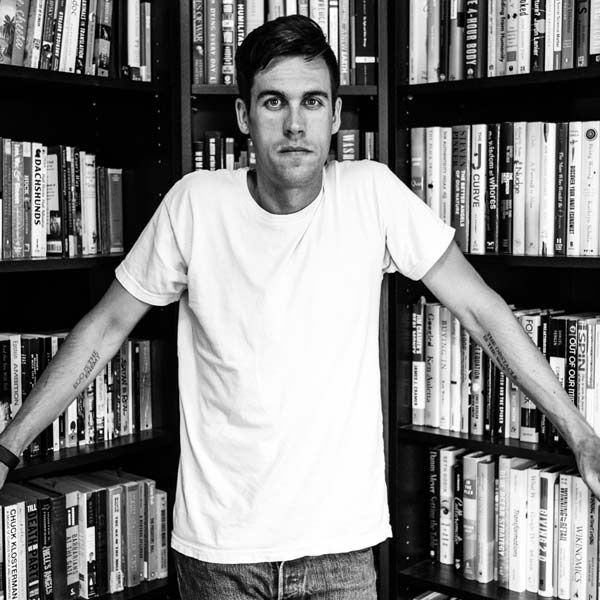
"The obstacle is the way. "
One of the central lessons of Stoicism is that adversity is not something to be avoided—it is often the very thing that helps us grow. Ryan Holiday has helped introduce these timeless principles to a new generation, reminding us that resilience, discipline, and personal responsibility remain essential ingredients of a meaningful life.
Ryan Holiday
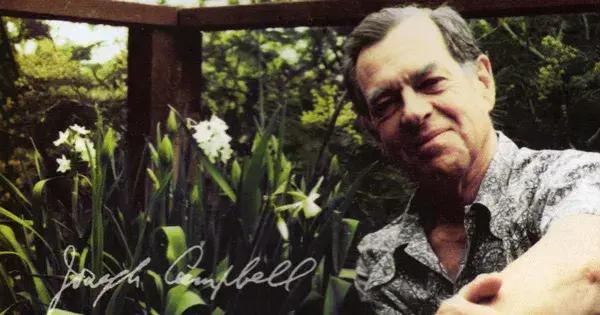
"The privilege of a lifetime is being who you are."
Campbell's work reminds us that every meaningful life includes struggle, uncertainty, and transformation. Too often we think fulfillment comes from avoiding challenges, when in reality growth often requires us to move through them. His idea of the Hero's Journey helps us see that our setbacks, failures, and moments of doubt may be preparing us for something greater. And, that we need to be less judgemental and appreciate how others are moving through their own struggles and journey as well.
Joseph Campbell
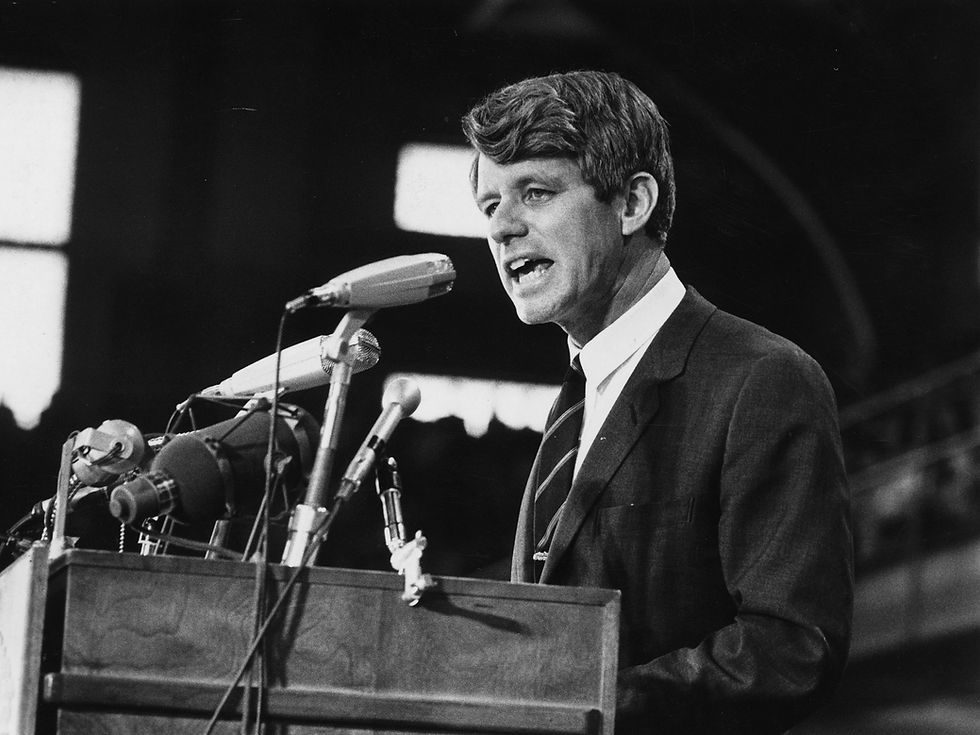
"Each time a man stands up for an ideal, he sends forth a tiny ripple of hope."
RFK believed that lasting change often begins with ordinary people acting on their convictions. His message reminds us that we don't need to be famous, wealthy, or powerful to make a difference. Small acts of courage, kindness, and leadership can ripple outward in ways we may never fully see.
Robert F. Kennedy
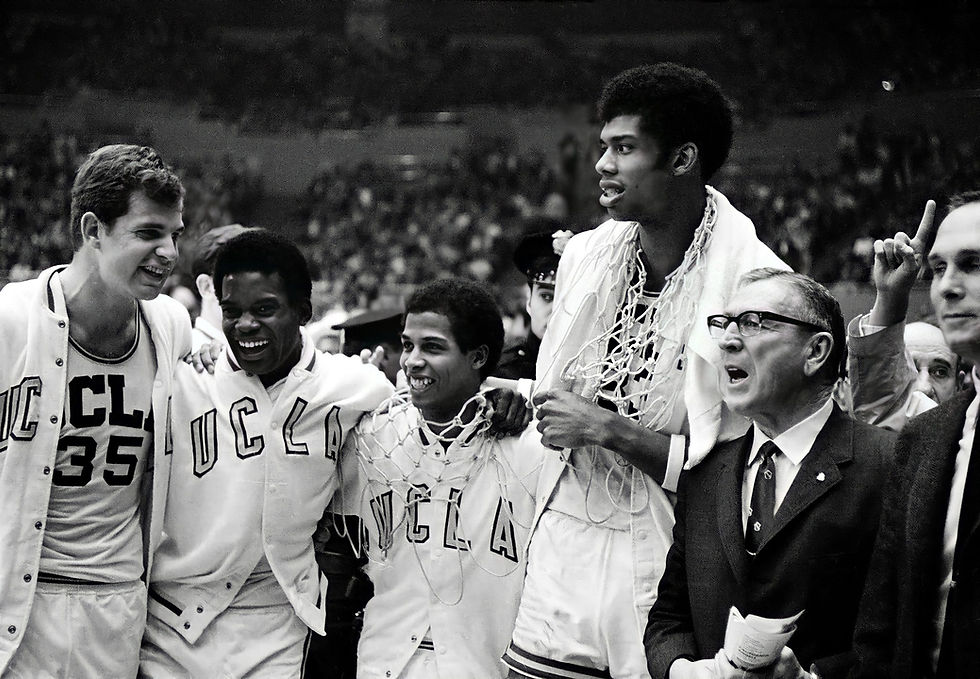
"Success is peace of mind which is a direct result of self-satisfaction in knowing you made the effort to become the best you are capable of becoming.”
Wooden taught that true success is not measured by trophies, titles, or recognition. It comes from knowing you have done your best to become the person you are capable of becoming. His approach to leadership didn’t emphasize points on a scoreboard. He focused on helping athletes develop their talents to the fullest extent possible. And if they did, they would have peace of mind. What a great example in a world that is always comparing and looking at others for confirmation of their own self-worth.
John Wooden
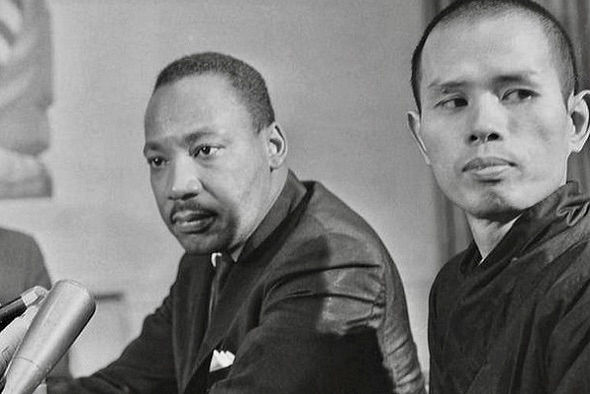
"Peace is every step."
One of the great lessons of mindfulness is that peace isn't something we find at the end of the journey—it is something we practice in the present moment. Thích Nhất Hạnh taught that the quality of our attention shapes the quality of our lives. In a culture defined by distraction and division, his teachings offer a path back to presence, compassion, and connection.
Thích Nhất Hạnh


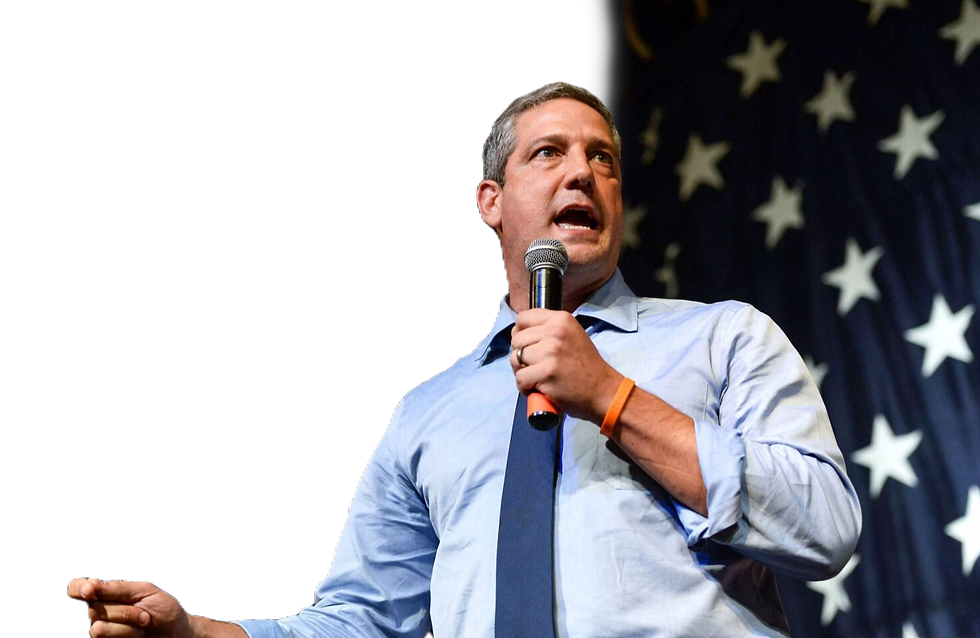
JOIN ME ON THIS JOURNEY
One of the goals of Spiritual Citizenship is to create a thoughtful community of people exploring how we can live healthier, more meaningful lives and contribute to something larger than ourselves.
I'd love for you to join the conversation.